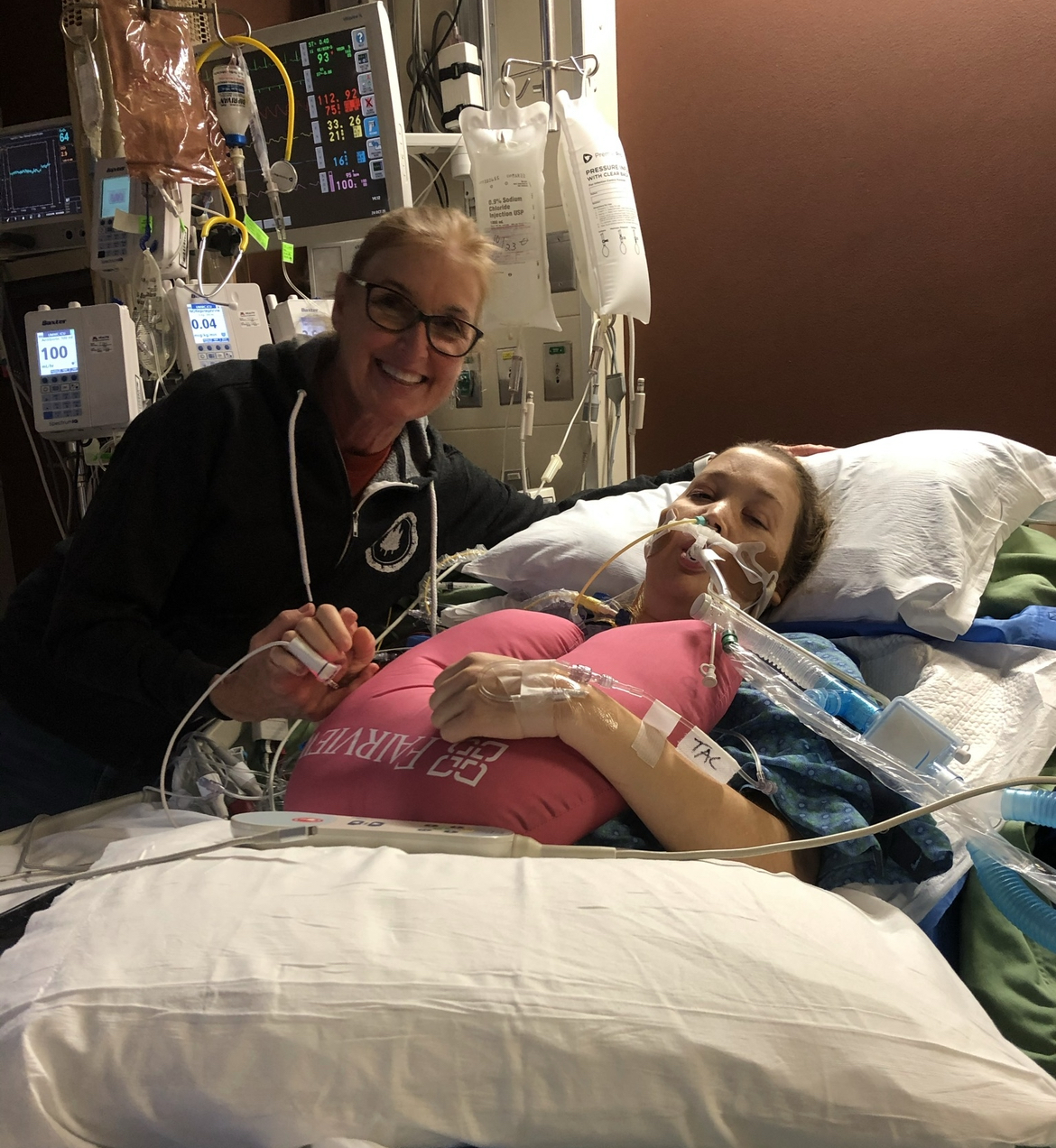
The year is 2017, I am squished in a hospital bed next to my boyfriend, Kevin. Oxygen cannula irritating my nose, port hooked up to IV antibiotics, hair greasy from lying here the last three weeks and not having the energy to wash it. There is a stack of pudding and Boost protein drinks on the hospital tray. My mom, Mary, is sitting in a chair next to the bed.
My cystic fibrosis doctor is concerned about the rapid decline in my lung function - precipitated by a cold I acquired during grad school orientation. He tells me that I am unlikely to survive this admission unless I undergo a double lung transplant. I cry into my boyfriend’s shirt for a minute and apologize for I don’t know what exactly - probably the stress of dating a dying 24-year-old. Then I wipe my tears and step into a phase of CF life that I had dreaded and never truly expected to happen to me - I always thought there would be a cure or a life-saving drug available before I got to this stage of disease progression.
My doctor spent several hours with us discussing the evaluation and listing process and the risks of transplant. I asked what my life would look like post-transplant and he said, “you won’t be running any marathons, but you should be feeling pretty good.”
When I was healthy, I’d done plenty of running - while playing soccer, tennis, and basketball - but I am not a “runner” by any means. If there wasn’t a ball involved, I was interested, and I detested conditioning at practice. But my doctor’s words sounded like a challenge and they have stuck with me.
I did not get transplanted that fall, but the next 3 years were rough. I coughed up cups of mucus every day, had a bout with Influenza that triggered sepsis, learned to live with chronic pain, acquired a rare fungal infection that made me ineligible for transplant, attempted to see a spiritual healer in Brazil (a mark of true desperation), administered continuous IV antibiotics to keep multiple multi-drug resistant infections at bay, performed 82,000 hours of airway clearance and aerosolized medications, re-started and withdrew from grad school three times, spent many months inpatient, had numerous ER visits, sent dozens of emails advocating for bacteriophage therapy, and spent months hoping for compassionate use of the new CFTR modulator therapy drug (now called Trikafta).
I received Trikafta one month before its approval in 2019 and *spoiler* it did not provide me the miracle I desperately hoped for and dreamt of my entire life. My lung function continued to decline and, in the midst of the Covid pandemic, in October of 2020, I was placed on the transplant list. Everyone with CF feared Covid, especially those of us with already poor lung function. A positive Covid test would mean removal from the transplant list. Nineteen days later, on October 23, I received my double lung transplant.
Organ donation did not just save my life - it expanded and enhanced it. I am able to live more fully than ever before. I play soccer and beach volleyball, am learning to surf, work full-time, and am marrying Kevin in August. I am so grateful to my donor, my care team, and my family and friends who have supported me through the years.
I want to share the power of organ donation by competing in the NYC Marathon this fall, while celebrating my 5 year lung transplant anniversary - and prove my doctor wrong. Running in this race will also give me the opportunity to meet my goal of raising $10,000 in a single event for the Cystic Fibrosis Foundation.
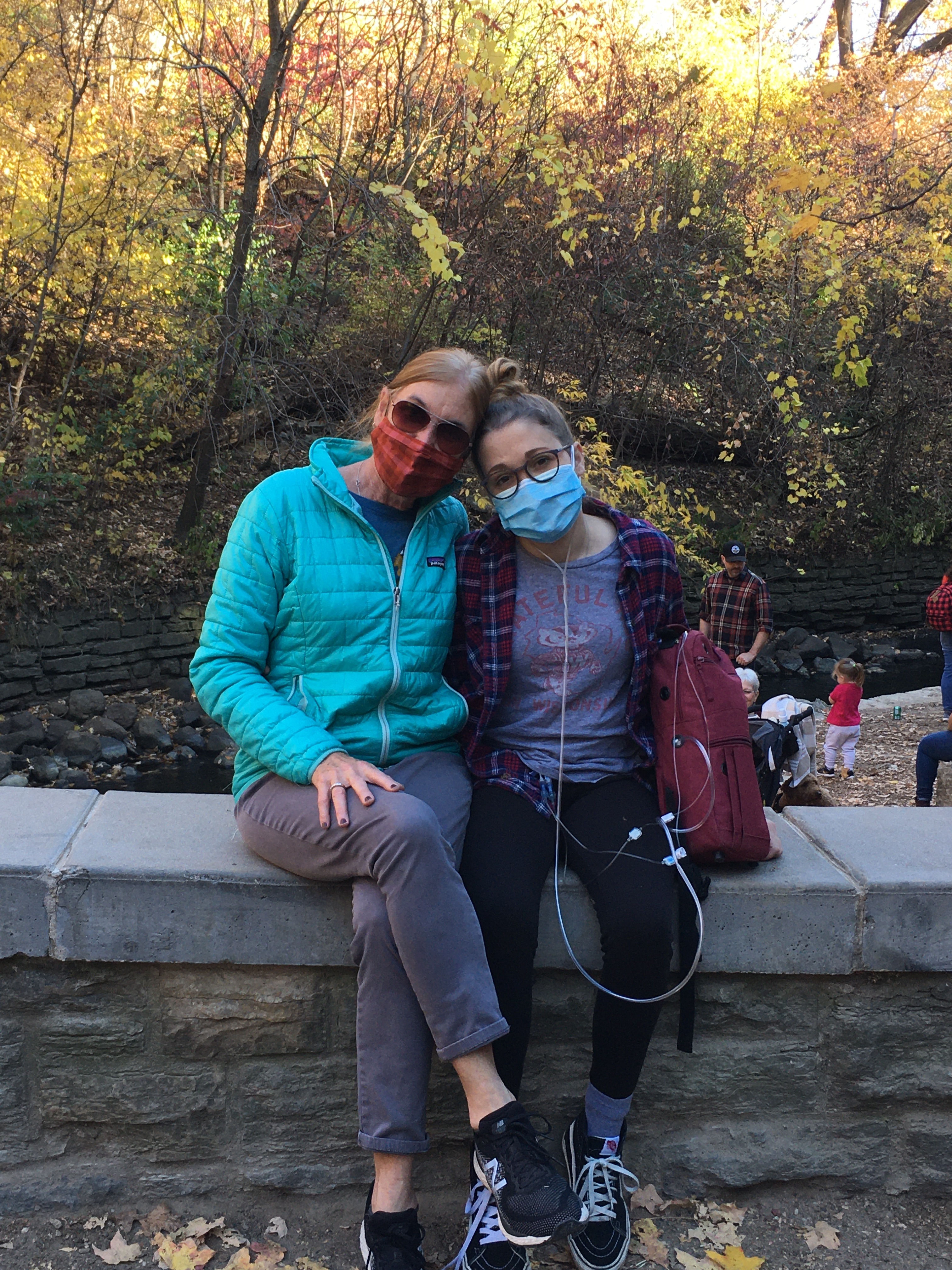
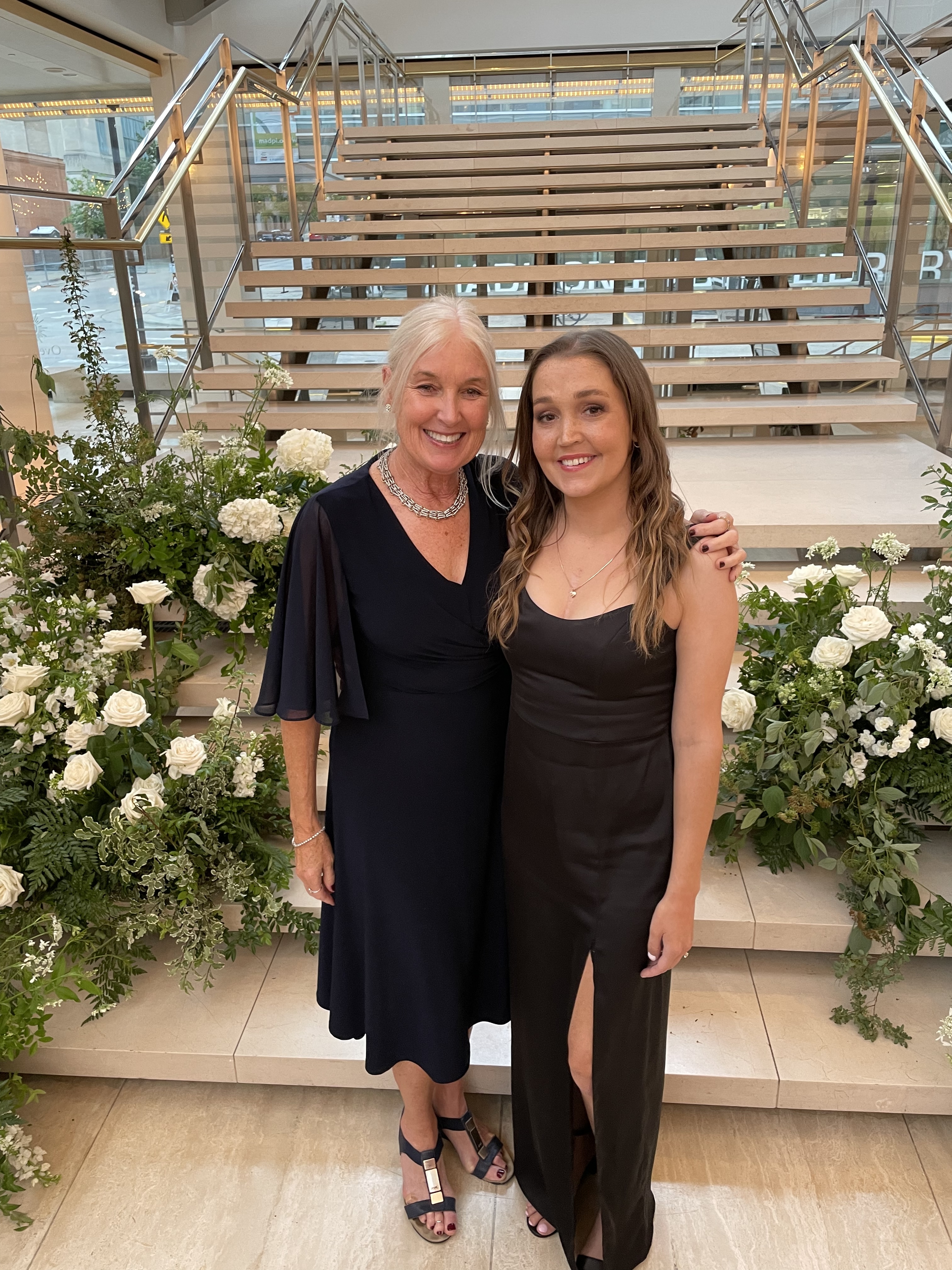
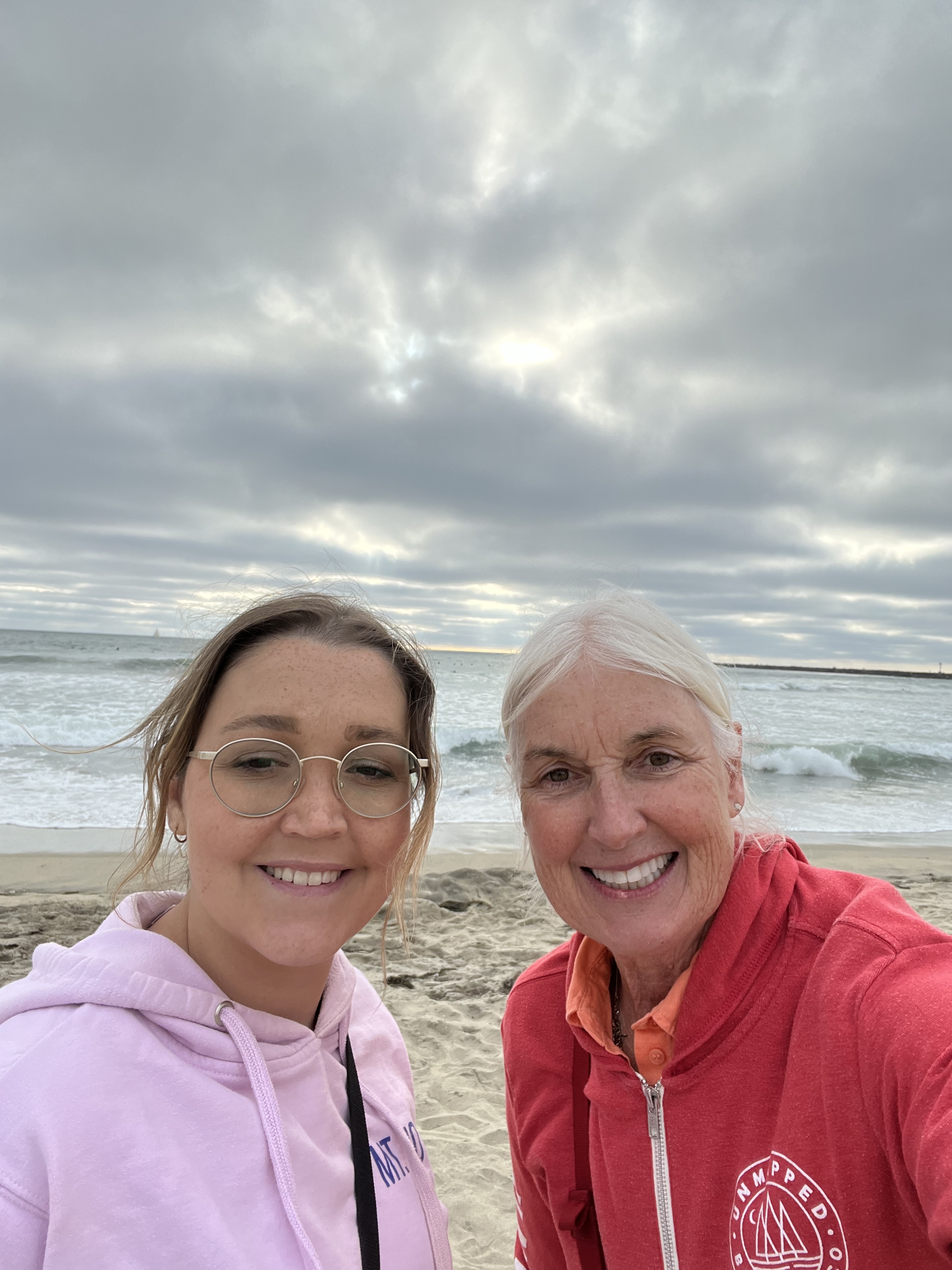
I am running the marathon on the CFF Breathe Team with my mom, Mary, who is a runner and has been with me through every CF and transplant-related challenge. I would not be alive without her support and probably won’t be able to finish this marathon without her either.
Together, we want to raise awareness for organ donation and fund cystic fibrosis research. You can register to be an organ donor at Registerme.org and you can contribute to our fundraising goal at the link below.
Even if I manage to complete this marathon, I want to be clear - transplant is not a cure. I still have cystic fibrosis and deal with various CF-related sinus and digestive issues. I take about 40 pills a day. I have a high risk of developing CF-related diabetes, liver disease, and arthritis. Transplant brings its own set of risks and problems, including a high risk for various cancers, risks associated with being immunosuppressed, and difficulty maintaining muscle mass. There is constant fear of organ rejection, which can occur at any time.
Trikafta and other modulators are also not a cure for CF. Modulators have been incredibly beneficial to many people with CF, especially young children with CF who now have a life expectancy of 67 years (when I was born, life expectancy was 18 years). However, 10% of people with CF have a mutation for which there is no modulator. For others, like me, our lung disease was too advanced when the modulators became available. For some, the side effects of modulators are too much to continue taking them. And many don’t have access to modulators due to the extremely high cost.
One hundred percent of those with CF still need a cure, and with your support, I believe we can achieve that in my lifetime.